The Radipose on The Radavist: This is not how to catch them. This is not where to find them. This is why it matters.
Radical: At its core, "radical" means relating to the root, origin, or foundation of something. Derived from the Latin word radix (meaning "root"), it is used across various fields to describe fundamental principles, sweeping changes to a system, or extreme, unorthodox ideas.
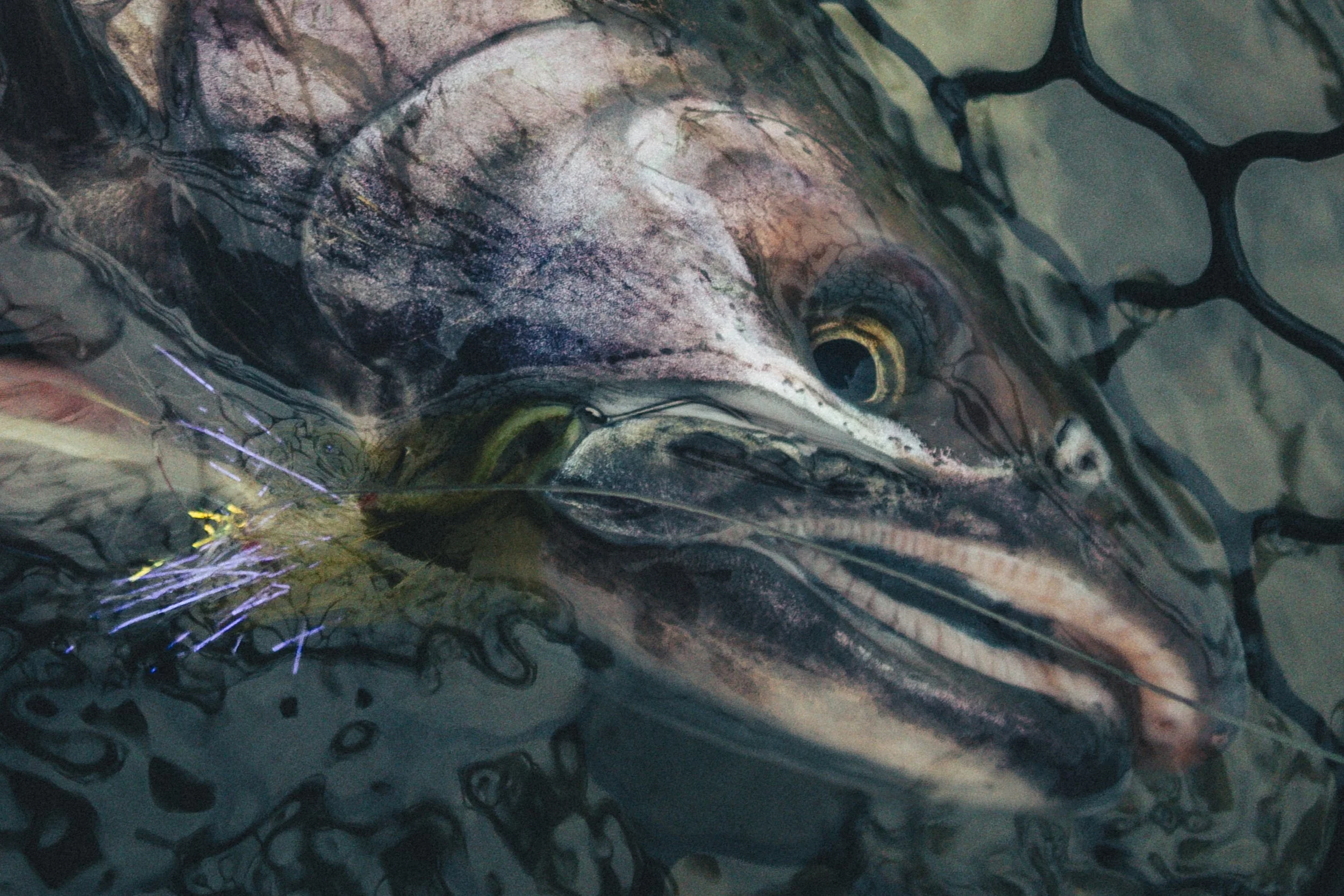
Adipose: The adipose fin is a small, fleshy, rayless fin located on the back of certain fish, positioned between the main dorsal fin and the tail. It is primarily found in salmonids (such as salmon, trout, and char) and is removed by hatchery programs to distinguish hatchery-raised fish from those born in the wild.
Atavism is the unexpected reappearance of a trait in an organism after it has been absent for many generations. Often called an "evolutionary throwback," it happens when dormant ancestral genes turn back on. The word comes from the Latin atavus, meaning a remote ancestor
The Radavist is a portmanteau combining the words "radical" and "atavism." Founder John Watson chose it to represent a primal, throwback love for riding and exploring by bicycle merged with a progressive, non-traditional approach to outdoor storytelling
The goal of The Radipose is education through participation and recreation. It is impossible to care about something that you know nothing about.
I recently posted an opinion piece on The Radavist about using fly fishing as a metaphor when discussing consumerism in the bike industry. It drew a lot of attention. At The Radavist, we are deeply passionate about environmentalism and responsible consumerism. For most hobbies and industries, these are intertwined. Outdoor recreation is unique in that the effects are easily seen. Right now, the electrification of bicycles and their components is raising many questions about access to recreation and the production of excessive waste. Fishing is even more intertwined as a hobby, industry, and lifestyle with its impact on the planet. This series exists at the confluence of bicycles and fishing.
Fish, especially our native species, are threatened from many angles. Habitat degradation destroys their spawning grounds. Climate change is raising the water temperature. Chemical pollution from industry and car tires poisons them. Policy changes like the proposed lifting of the Roadless Rule increase the likelihood of destroying intact ecotones. The goal for this series is simple: to educate people about the fascinating fish we have in North America, their life history, the beautiful places they inhabit, and the conservation issues they face.
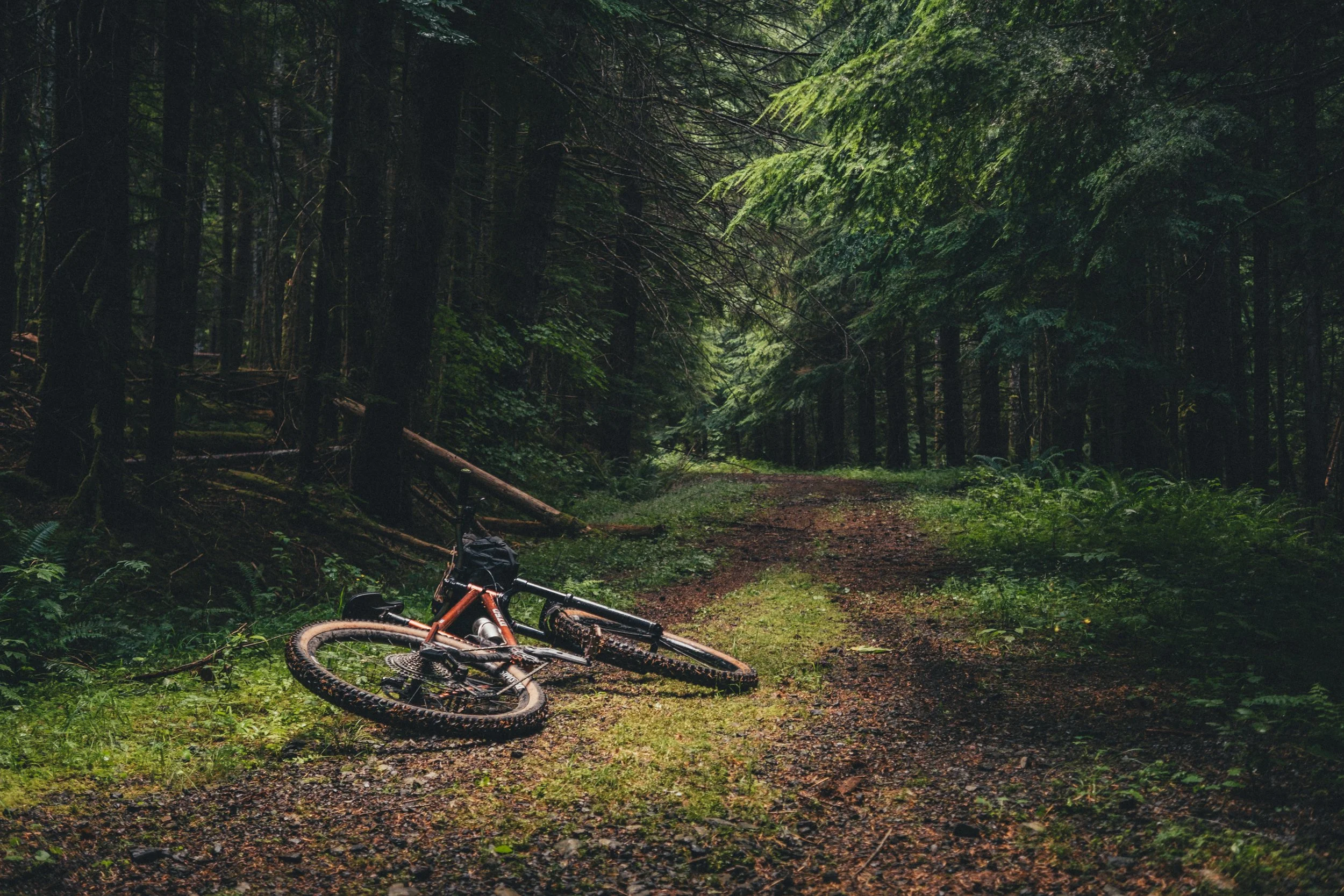
This fits The Radavist in a number of ways. Firstly, we are environmentalists before we are cyclists. That applies to much of our audience. Second, I would like to use bicycles to access fisheries in all of these articles. That means using them to pull a canoe, bike to an alpine lake, or ride from one swing run to another. Bikes can get closer to wilderness than a car and are also far less of an impact on the world. This means finding alpine lakes that can be accessed using mountain bikes, rivers with primitive roads alongside them for packrafting with the bike back to the car, and using bikes to explore interconnected urban waters.
Below are a number of potential stories. While most of these focus on backcountry fisheries, I do think an urban fishery or two would be interesting as well. After all, the fish are at our feet.
Article Intro
The anthropic landscape has not been kind to our native fish. Dams impede migratory fish from reaching their historic spawning grounds. Invasive species have upended food chains. Riparian habitat loss and agricultural pollution have changed water chemistry and nutrient flow. Ever-lessening snowpack in the mountains means smaller and warmer summer water levels. Every worn-out automotive tire bleeds toxins into the watershed. It’s not easy to be a fish.
Yet, through it all, the native fish of North America have persisted. Some have found haven in waters far off the beaten path. Others have adapted to new conditions. The Radipose is our series on these stories of interconnected landscapes, fish, and human recreation.
This is not a tutorial on how to catch them. This is not an explanation of how to find them. This is why it matters.
Summer Steelhead (Oncorhynchus mykiss) on the Olympic Peninsula
In the lower 48, The Olympic Peninsula is the last remaining stronghold for wild steelhead in wild, undammed rivers. As less snow accumulates in the Olympic Mountains due to a warming climate, summer-run steelhead are facing increasing summer water temperatures and lower water levels. We’ll discuss how forest fires, the deposition of black carbon, and increasing angler pressure are affecting the steelhead in Washington’s last remaining coastal frontier.
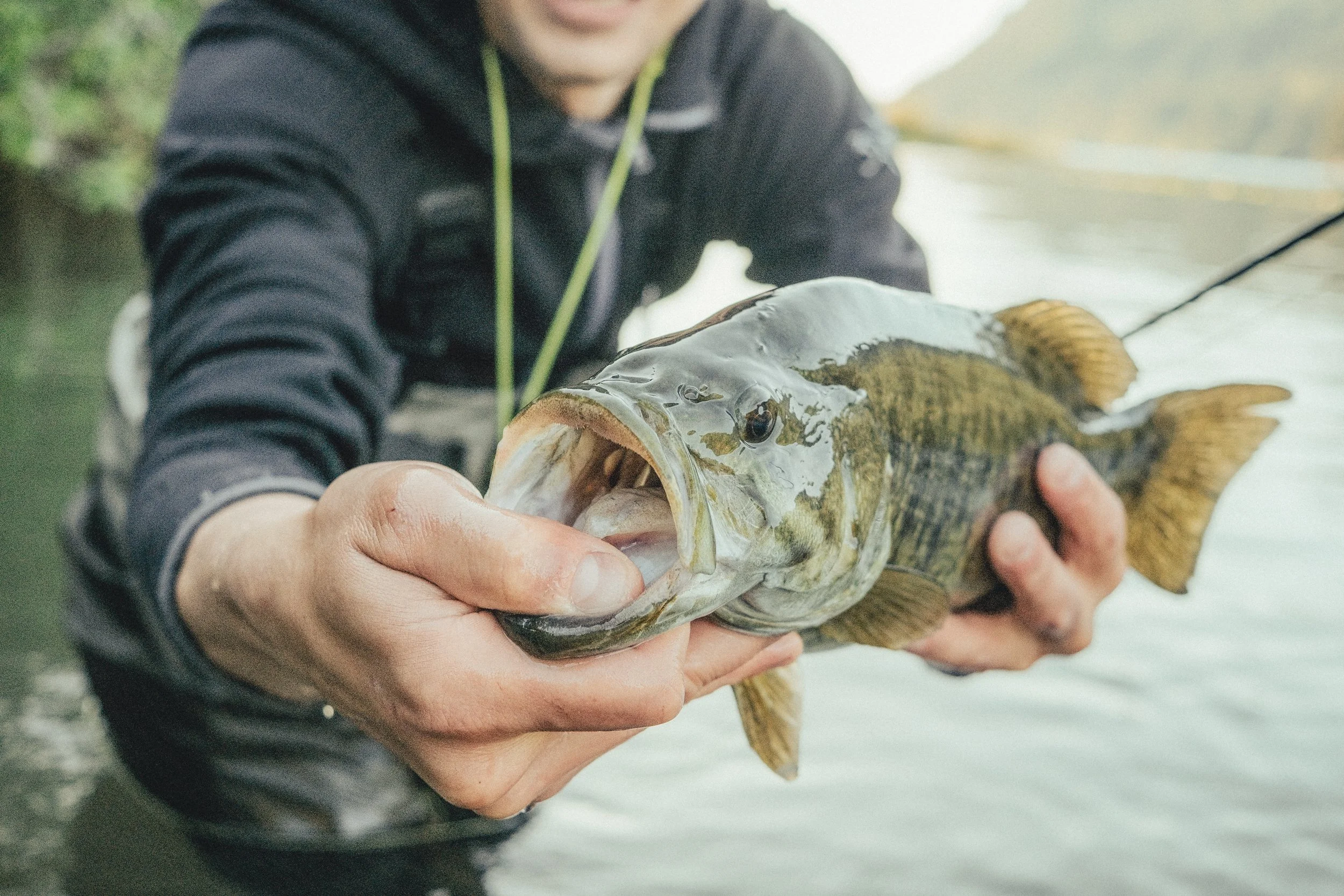
Smallmouth Bass (Micropterus dolomieu) on the Mississippi River
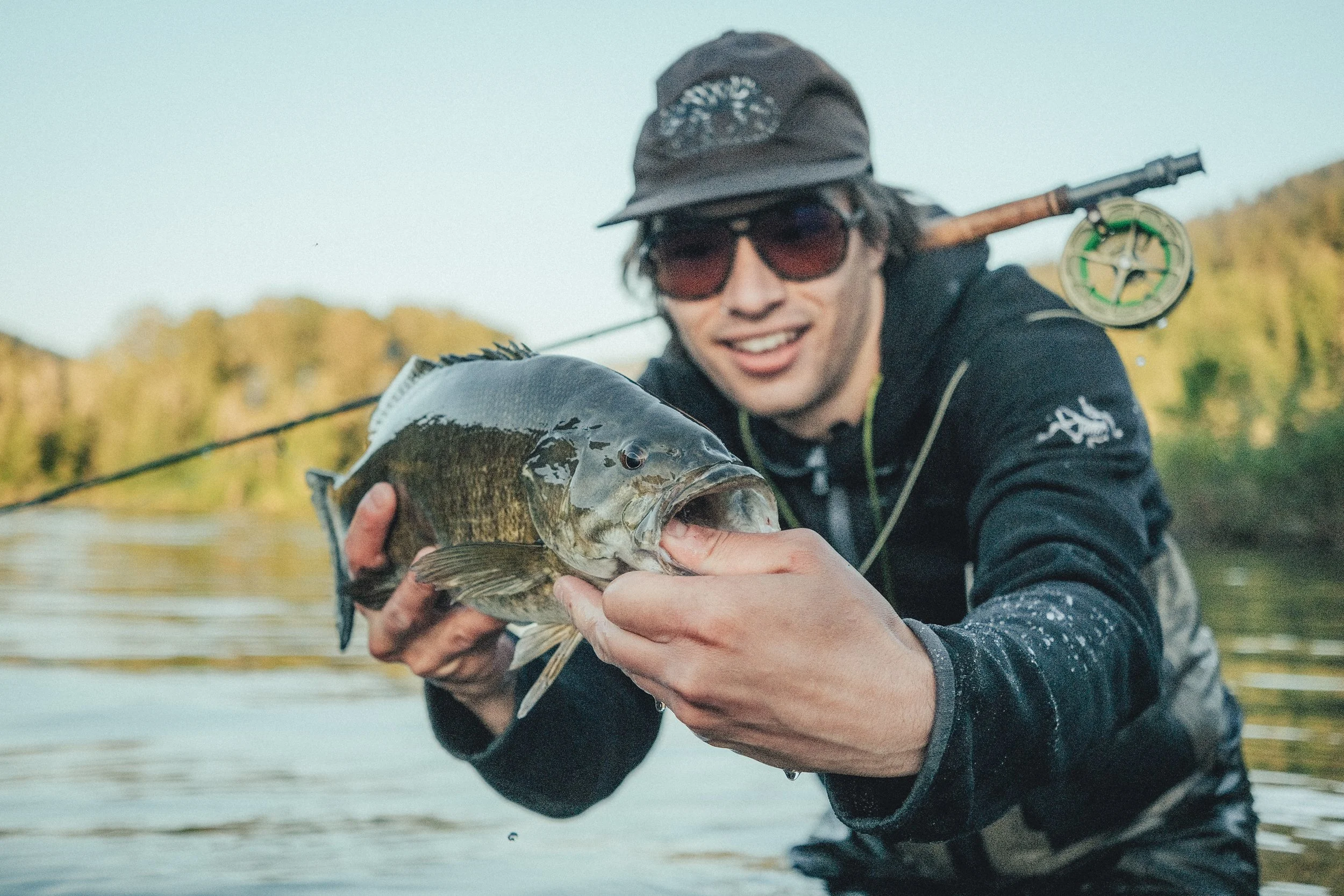
The smallmouth bass is the fish of the large rivers of the Midwest and one of the most adaptable fish native to North America. They can be found in waters as large as the oceanic-like Great Lakes all the way down to small creeks barely perceptible on the map. The Mississippi River, one of the largest in the world, is also one of the most heavily altered and trafficked. Even in the heart of Minneapolis, the smallmouth bass thrives.
Bull Trout (Salvelinus confluentus) in BC
Bull Trout, once fished to near extinction with a bounty on their head, are now one of the greatest signs of an intact and healthy ecosystem. These fish grow to huge proportions, but only if the three Cs are met: clear water, connected rivers, and clean habitat. British Columbia is home to some of the healthiest bull trout populations as well as some of the best mountain biking on the planet.
Sea Run and Coastal Cutthroat (Oncorhynchus clarkii clarkii) in Puget Sound and the Bellingham Backcountry
The coastal cutthroat is a curious species; it is the only cutthroat trout that runs to the ocean. The study of his fish is in its infancy so we’ll get to know the people of the coastal cutthroat coalition to better understand this frequently overlooked fish. After finding them in the salt of Puget Sound, we’ll head high into the mountains to meet the resident populations of the same species.
West Slope Cutthroat (Oncorhynchus clarkii lewisi) in the Washington Cascades
The west slope cutthroat is separated from its coastal cousin by mere miles. These fish can be found high in the alpine lakes of the Washington Cascades and all the way out to the flowing rivers of Montana. This is the native trout of the Mountain West.
Pacific Salmon (Oncorhynchus sp.) in Coastal Washington
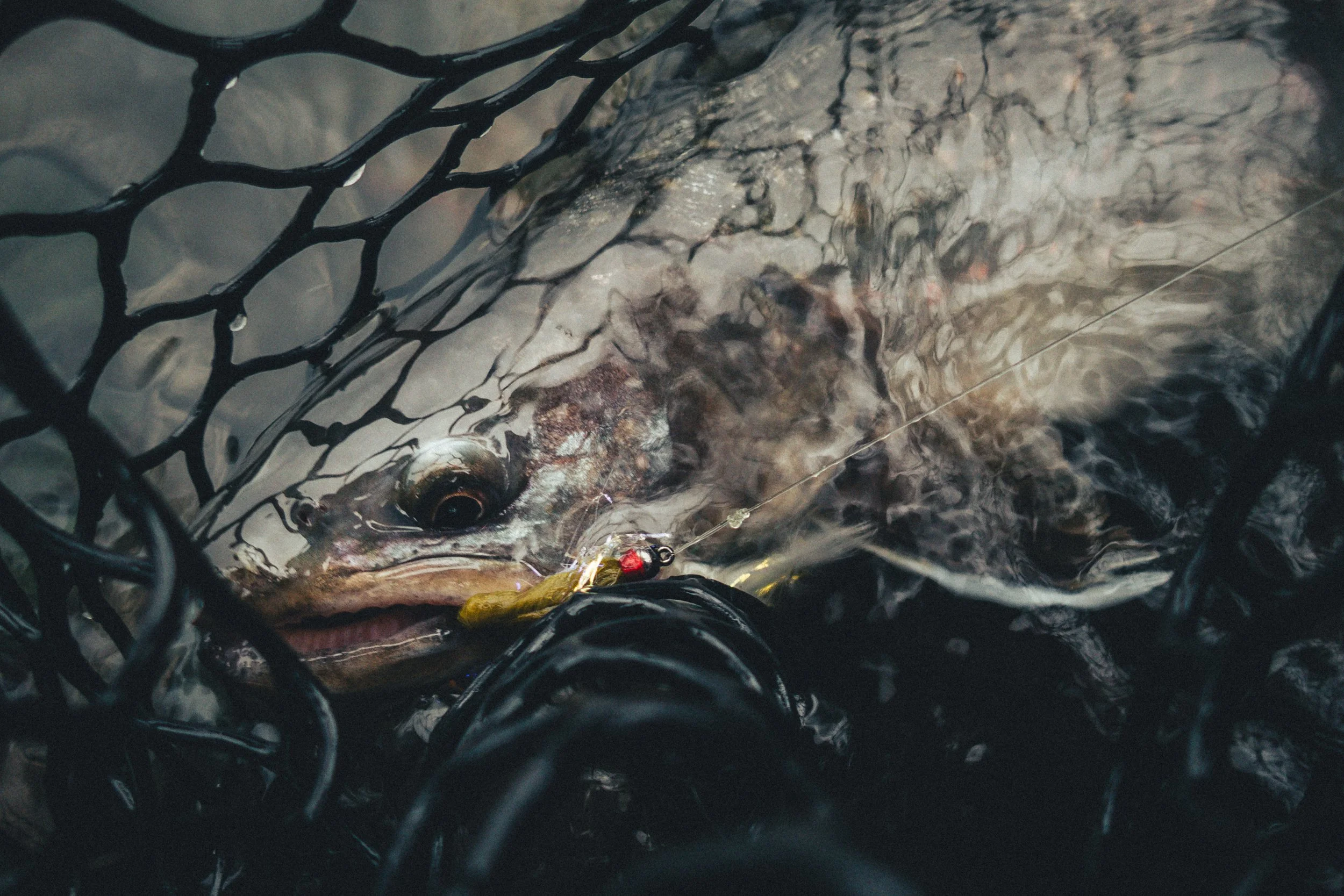
The Pacific Ocean is home to five species of salmon that return to the rivers of Pacific Northwest to fulfill their life mission. This is my home fishery, it’s the one I spend the most time pursuing. It connects me to my home and fills my freezer, a relationship I would like to discuss.
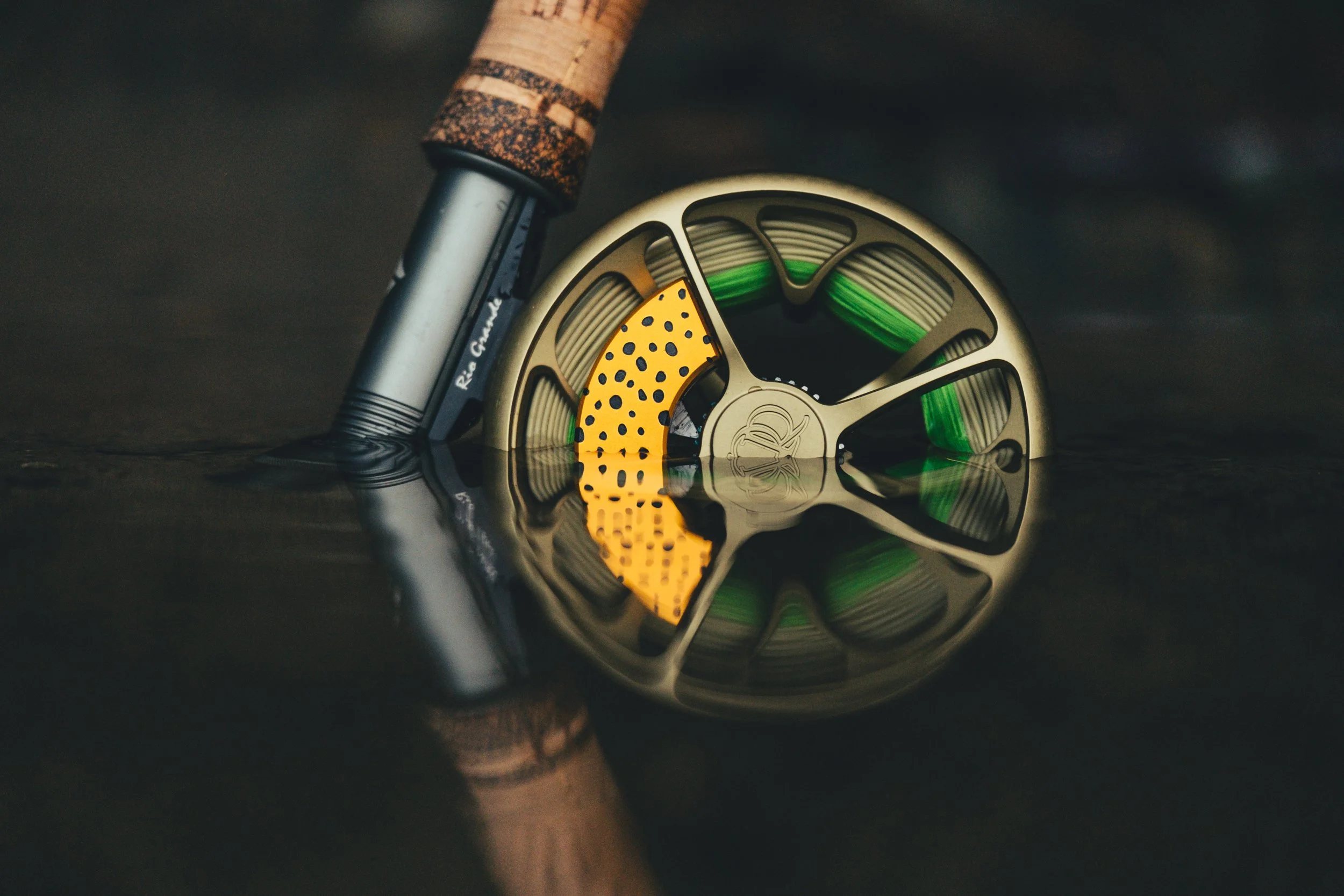
Rio Grande Cutthroat (Oncorhynchus clarkii virginalis) in the high desert
The desert is not where most people expect to find fish, and yet, the Rio Grande cutthroat persists. Somehow, amongst the arid plateaus and aspen groves, this small green fish has found a way to dodge the heat in the cutbank troughs that one could step across without getting wet. We’ll catch up with John Watson to discuss climate change at the far southern edge of the Colorado Plateau and how this is impacting his favorite trout.
Largemouth Bass (Micropterus salmoides) and Northern Pike (Esox lucius) in Northern Michigan
This piece will be about me and my home. My childhood is filled with memories of Northern Pike rising from the depths under my grandfather’s rowboat, of nights spent fishing until I could no longer see through the gloom, of unexplainable noises deep in the woods, and the lakes in which I learned how to be alone.
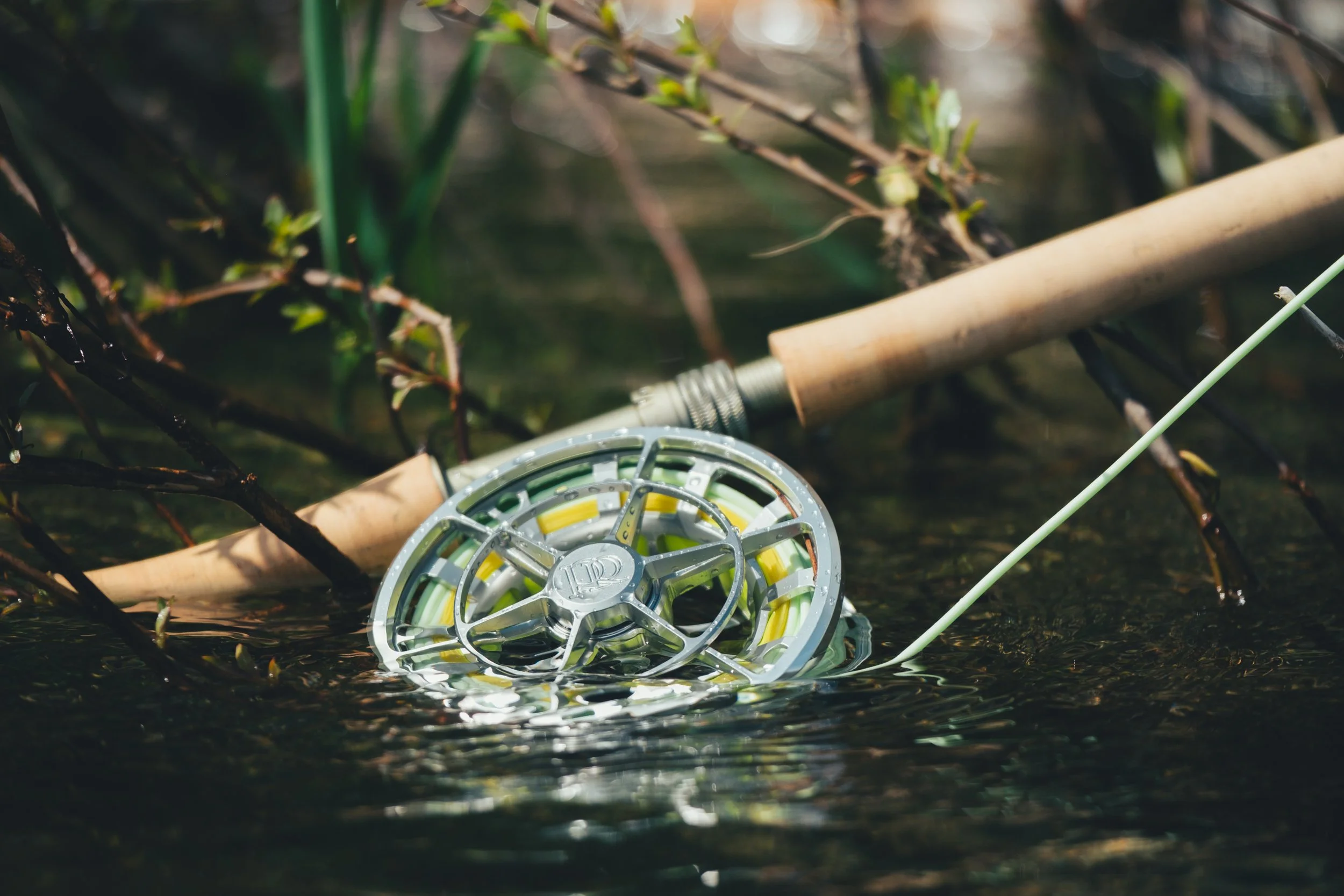
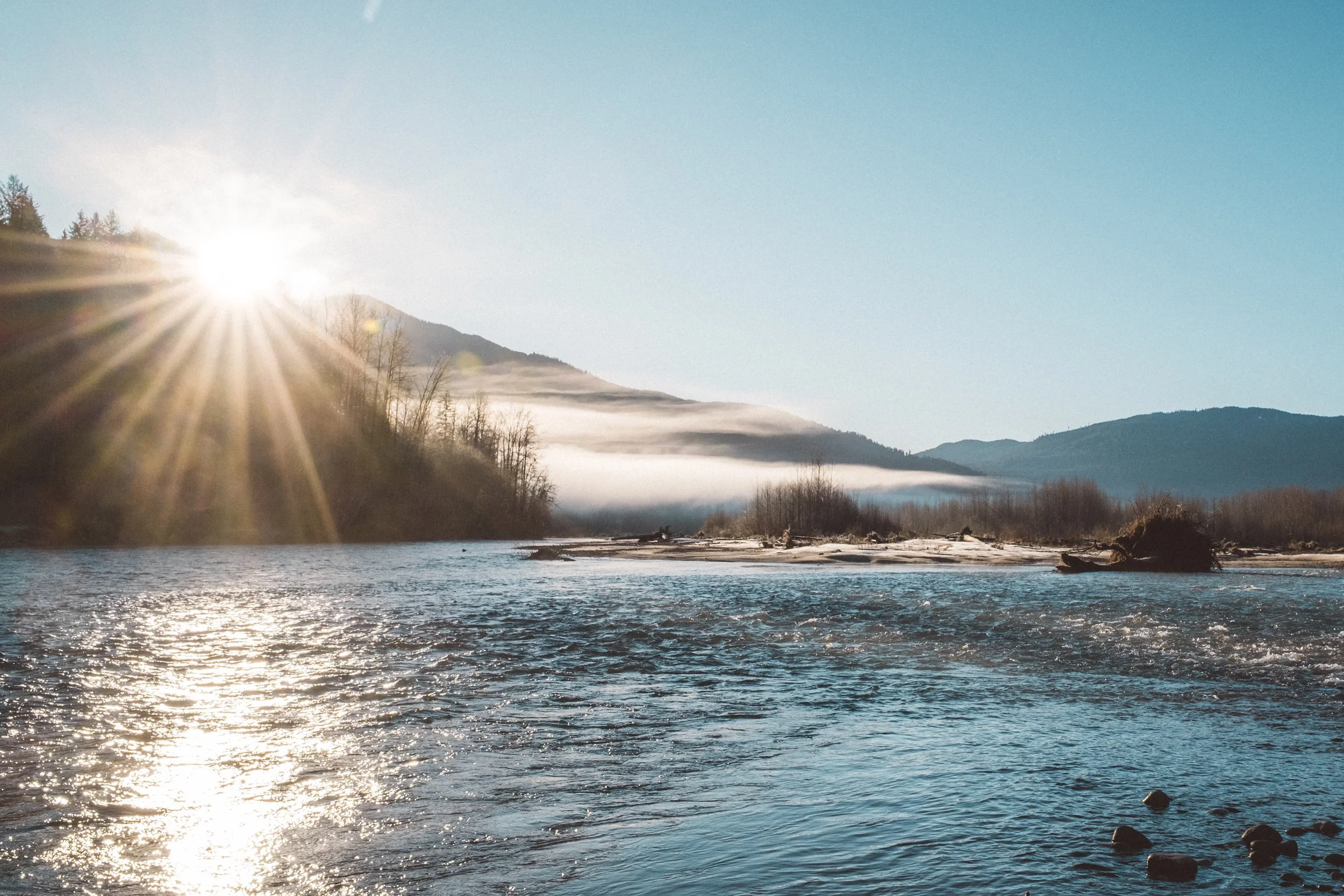
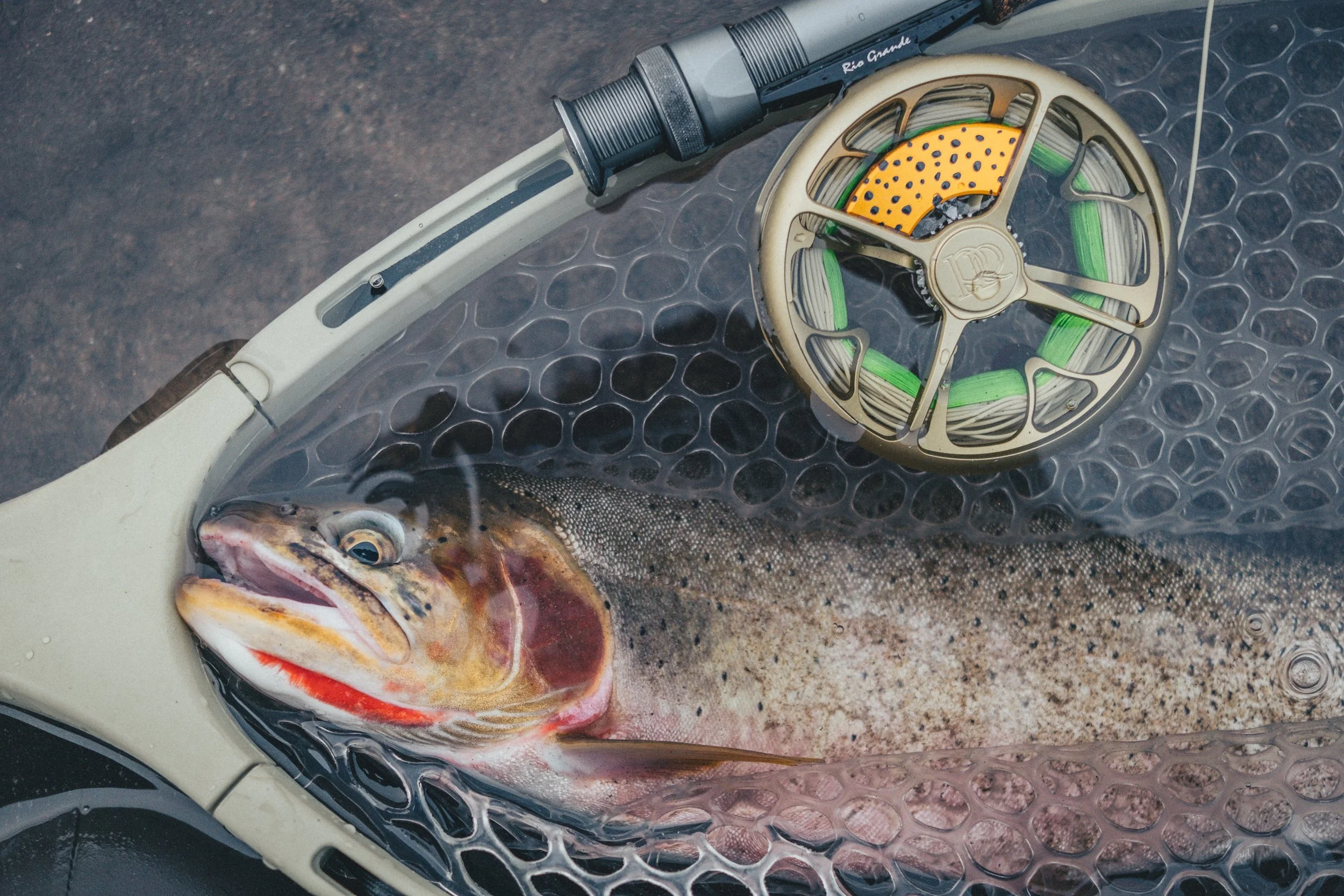
“An act of participation can be an act of conservation.”
My portfolio contains a synopsis of Radical Rigs, another sponsored series I have written for The Radavist.
Sponsor ROI:
photos for use in your marketing and social media
product reviews where applicable and appropriate, but this is not hard marketing; this is storytelling and brand building
brand trust: seeing a brand stand behind a project about education and conservation builds brand trust
reach: this project doesn’t sit within the confines of one industry with only that audience; the goal is to escape the confines and reach more people: fish people see bikes, bike people see fish, and everybody wins